Focal Length
Tech & Theme Challenge
Objective
Have you ever stood in the exact same spot as a friend, pointed your phones at the same thing, and ended up with two totally different pictures? Often the reason is the focal length of your cameras lenses.
This week we’re exploring Focal Length: how much of the world your camera squeezes into the frame and how it changes the way near things and far things relate to each other. A wide angle lens makes space feel huge and dramatic, but can cause strange stretching and compression at the edges and center. A telephoto lens squashes distance and stacks faraway things right behind each other while zooming in to bring distant subjects close. A Prime Lens is fixed to a particular focal length (often 35mm or 50mm) and tends to give sharper results, even if it isn’t as flexible.
Warm-Up Prompts
To warm up our thinking, consider these prompts. You don’t have to answer them all, but read them over and try to find the one that sparks something in your brain.
Remembering: In your own words, what’s the difference between a “wide” lens and a “telephoto” lens? Which one gets you closer to faraway things?
Understanding: In your own words, explain the difference between a Telephoto, Standard, and Wide Angle focal length?
Applying: Without a camera, make a rectangle with your thumbs and fingers and look around your room through it. Hold it close to your eye, then at arm’s length. What changes about what you can see?
Analyzing: Look at the photos in the Examples. How does the choice of Focal Length impact your impression of the scene?
Evaluating: When should you use each kind of lens? Try to come up with three rules to share with the club, based on your practice with the camera.
Guide
If you’re using a fix-lens camera, don’t worry! Use this week to practice focusing on different subjects. Try to work out how much control you have over the focus point in the scene and when you can use your lens to focus or zoom versus when you need to move the camera (or yourself) to get a better shot.
Find your lens options on your phone. Most phones have little buttons like 0.5x, 1x, 2x, and maybe 3x. On many phones each one is a different lens, and pinching your fingers in between is just cropping (digital zoom).
Tap through them while pointing at the same scene.
Which one feels like a wide lens? Which feels like you’re zooming in? Can you see the different ways each lens distorts or crops the scene?
Try the Zoom Swap. Pick a subject, like a chair, a plant, or a pet. Take one photo standing close with the widest lens. Then step far back and zoom in until the subject is the same size in your frame. The subject may look the same, but so what happened to the background and foreground?
Look through a paper towel tube with one eye and the world turns into a tiny telephoto window. It’s a great way to hunt for details before you ever lift your camera.
Look for lines that run away from you, like a fence, a hallway, a staircase, or a row of trees. What do those lines do when you rush toward them with a wide lens? What do they do when you stack them up from far away with a telephoto?
What happens to faces of people and animals when you photograph them at different distances and focal lengths?
Process
Decide on your personal goal. Do you want to make something small feel huge and dramatic with a wide lens? Squash a busy scene into neat layers with a telephoto? Or compare both lenses on one subject?
Challenge yourself to try at least one new idea from the guide while you shoot. Let your camera and scene push you to see things differently.
Prepare to take photos:
Test your zoom buttons (0.5x, 1x, 2x, 3x, or whatever your camera has) and write down which is which.
Choose a subject with layers or strong lines. They will help show off the effects of Focal Length.
Plan to move your feet. Zoom with your lens and with your legs, and notice how each one changes the picture.
Capture way more photos than you think you need. Experiment. Play. Most of them might be failures. That’s part of the process.
Make every photo unique. Shoot the same subject at every zoom level you have, moving your feet so the subject stays the same size or staying still and seeing how the framing changes with each adjustment. Which version does the most with its lens?
Pick four photos to share with our classroom.
Try to provide the f-stop, shutter speed, and ISO. If you know the focal length of your lens, include that as well!
Inspiration Gallery
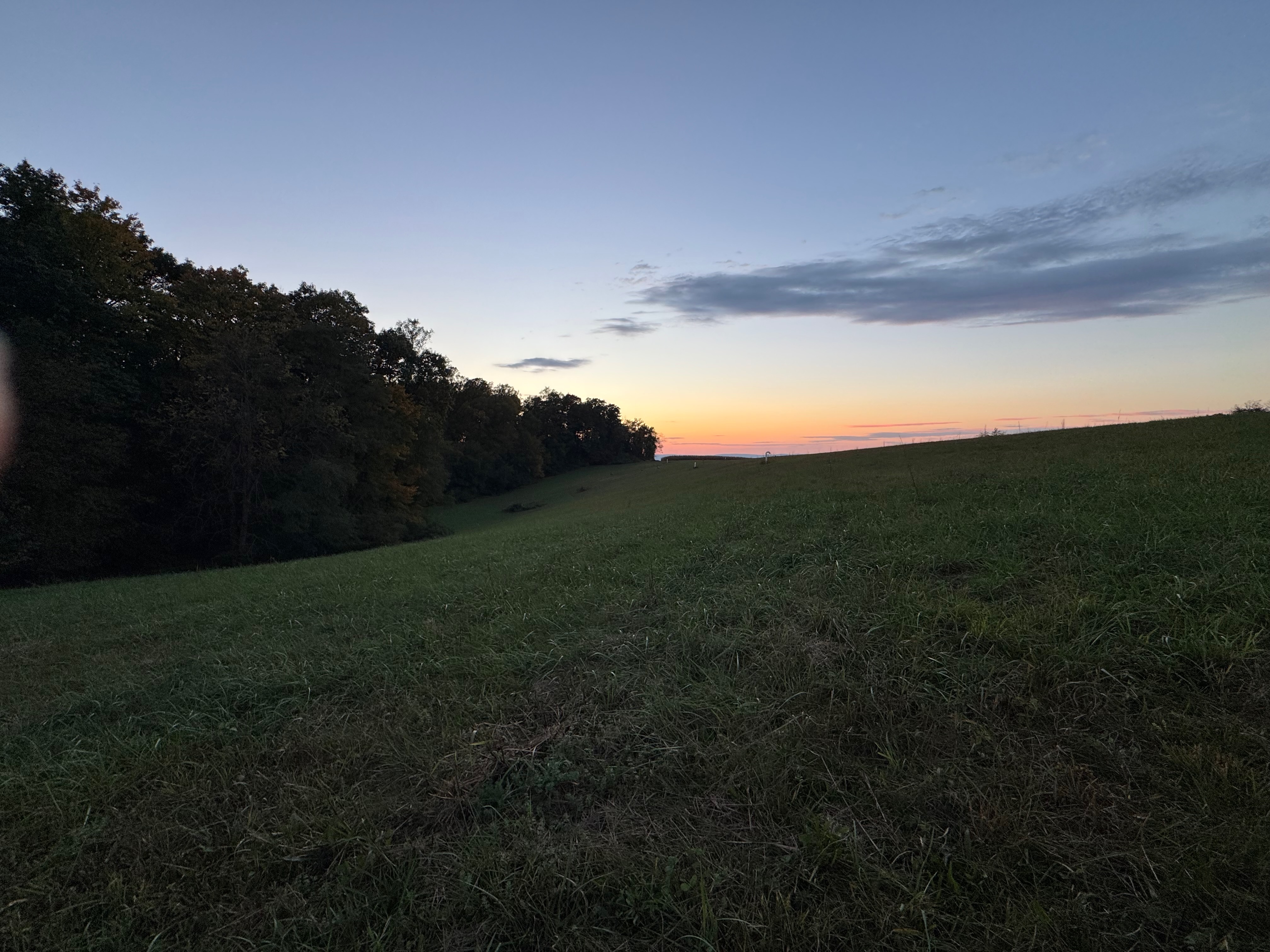
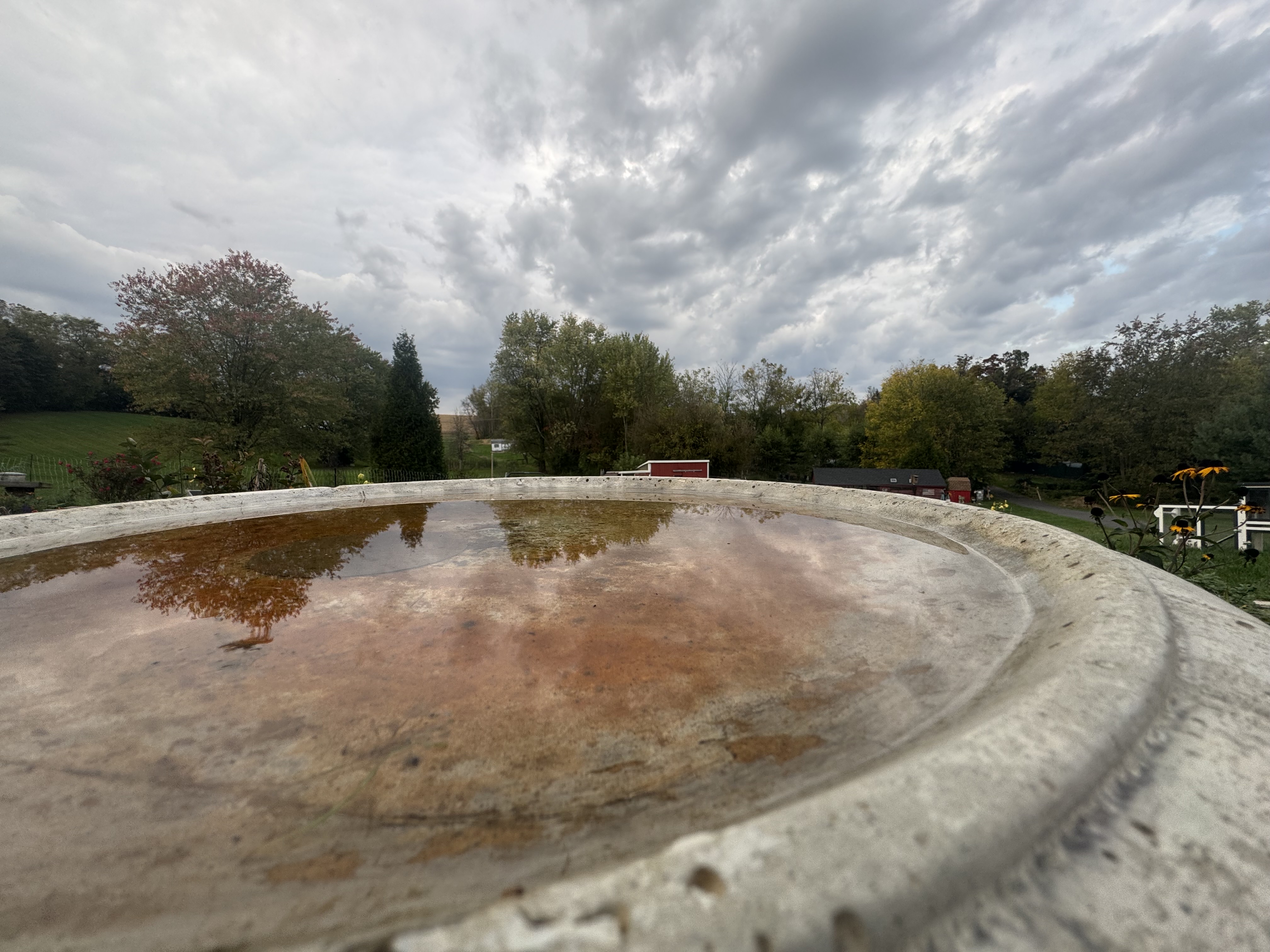
I took all of these photos within seconds of each other standing in a field near my local park. Each is a different focal length. Can you tell which is which?
![256]] 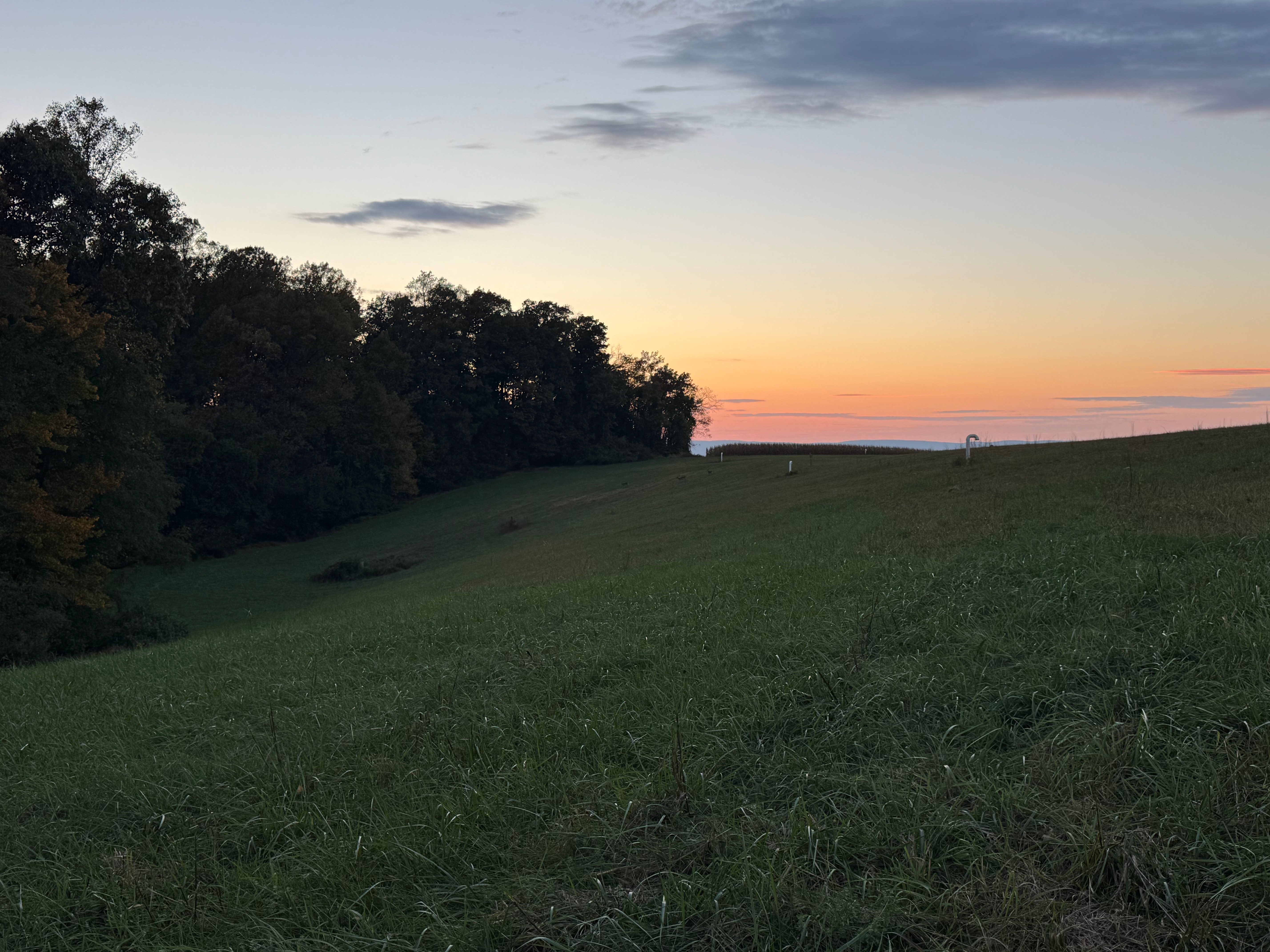
![256]] 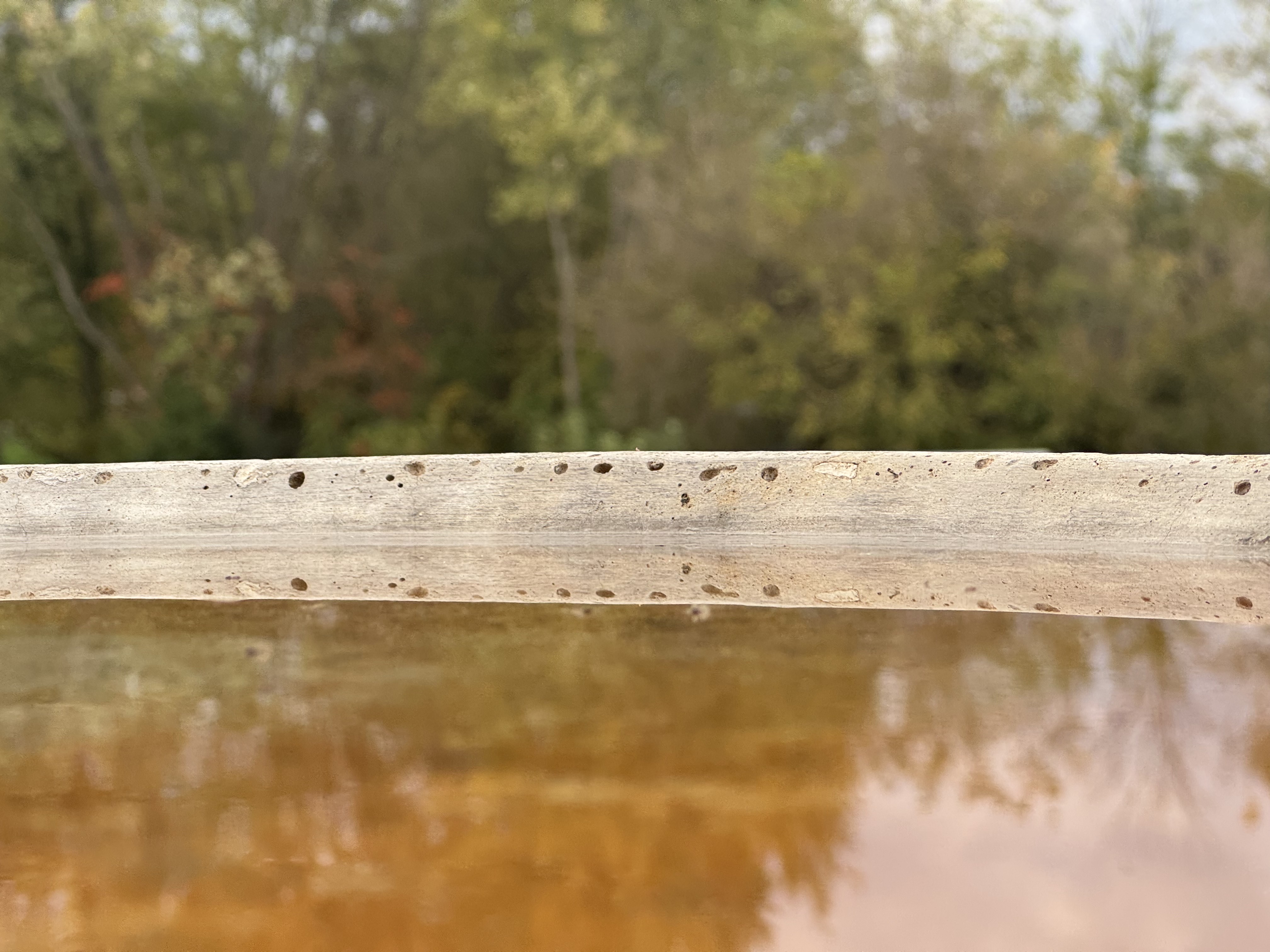
![256]] 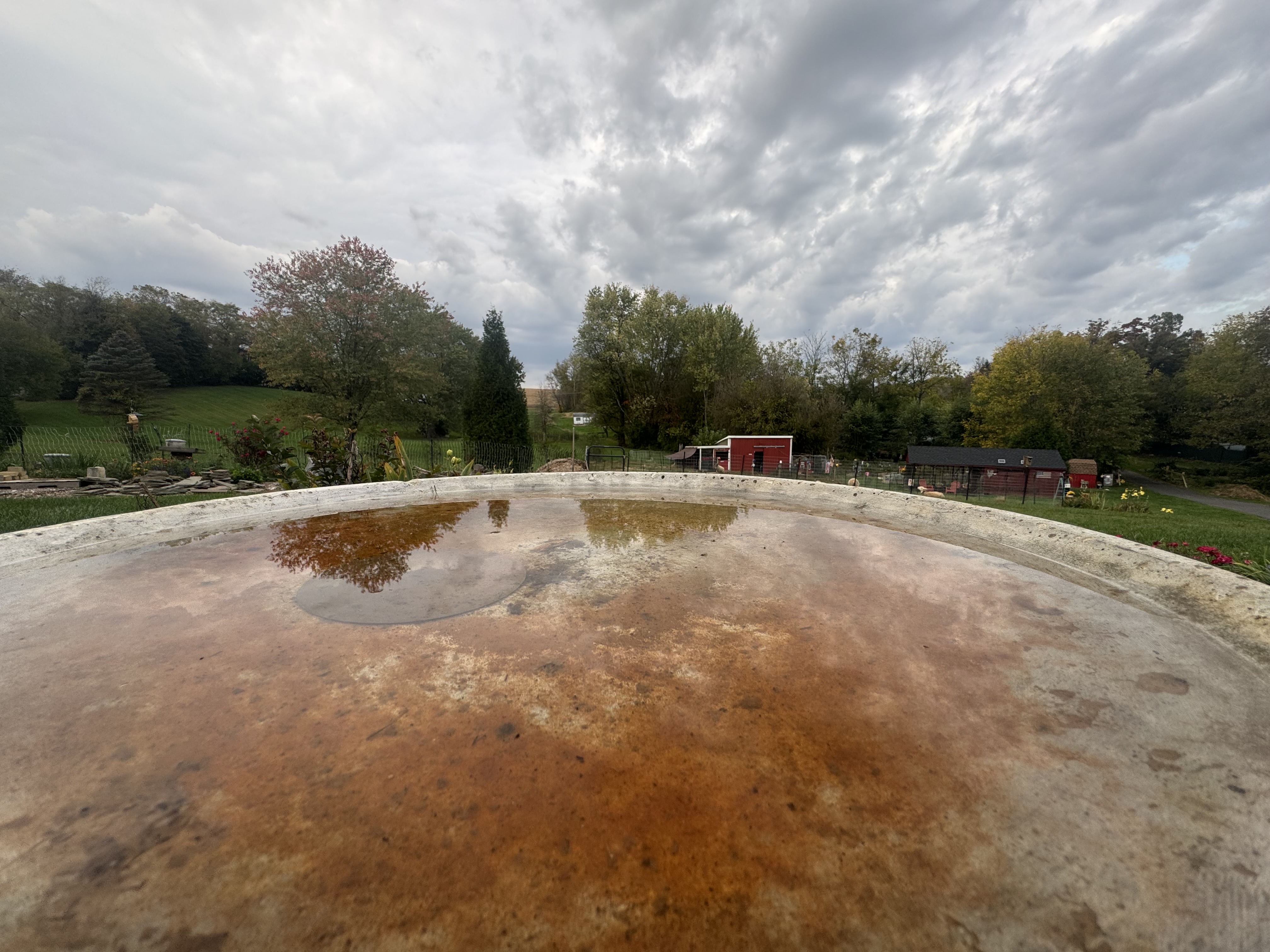
Guiding Questions
Where did the background go?
Look at the tree line and the horizon in the distance. As you zoom out from a telephoto shot to a wide-angle shot, does the background feel like it’s pulling farther away or coming closer to your subject?What details emerge or disappear?
In the zoomed-in shot, smaller elements like the deer in the middle field stand out clearly. What happens to those subjects when you switch to an ultra-wide angle?How does the sky change the mood?
Switching to a wider lens lets you capture much more of the upper sky and foreground grass. How does changing your focal length alter the balance of light and dark in your frame?Is your lens distorting the edges?
Notice the tree trunks, lens flare, and distortion at the edges of the frame in the ultra-wide shot. Do straight lines stay straight, or do they start to bend and curve outward near the borders?How does space feel?
If you wanted to make a wide-open field feel vast, empty, and huge, which focal length would you pick? What if you wanted to make a forest feel dense and crowded together?What is the main character?
When you use a telephoto lens, you isolate a specific subject. When you use a wide-angle lens, the whole environment becomes part of the story. Which story are you trying to tell with your shot?
Self-Evaluation Rubric
| High Quality (3) | Mediocre Quality (1–2) | Low Quality (1) | |
|---|---|---|---|
| Concept / Theme | The photo clearly demonstrates the distinct effect of focal length (e.g., dramatic wide-angle perspective or compressed telephoto layers) on the scene. | The photo shows a zoom level or focal length choice, but the unique visual impact isn’t quite distinct or intentional. | The photo is a standard snapshot with no apparent thought given to lens choice or focal length. |
| General Composition | Focal length, framing, and subject placement are used deliberately to guide the eye or control perspective distortion. | The composition makes use of zoom or framing, but the choices feel somewhat accidental or don’t serve the subject well. | The photo shows little control over framing, distance, or composition. |
| Focal Length / Lens Mastery | The photographer actively experiments with lens compression, wide-angle stretching, or the “Zoom Swap” effect to transform the relationship between subject and background. | The photo attempts a zoom change, but background/foreground relationships remain flat or unexploited. | There is no variation or awareness of how focal length changes the frame. |
| Originality | The photographer combined their interpretation of the theme with deliberate lens choices to create a unique and compelling image. | The photographer attempted a unique perspective using their lens, even if the result isn’t perfect. | The photo is dull or derivative. |